Algorithmic Patterns in Simulator Sessions: Mapping Odds Variations Across Roulette Formats in Virtual Casino Settings
Écrit par Nils Klein · 20/8/2026

Algorithmic Patterns in Simulator Sessions: Mapping Odds Variations Across Roulette Formats in Virtual Casino Settings
Virtual casino platforms rely on sophisticated simulators to replicate roulette gameplay and these systems generate extensive data sets that reveal how algorithmic structures influence outcome distributions across multiple formats. Observers note that simulator sessions often expose subtle differences in odds behavior between American, European, and French roulette variants because each format incorporates distinct wheel configurations and house edge calculations that interact with random number generation protocols. Data from ongoing platform audits shows these interactions produce measurable variations in sequence frequency and payout alignment during extended testing periods.
Core Mechanics of Roulette Formats in Digital Environments
American roulette wheels contain 38 pockets including both single and double zeros while European versions use 37 pockets with a single zero and French roulette adds additional rules such as la partage and en prison that modify even-money bet returns under specific conditions. Researchers tracking simulator output have documented how these structural differences translate into distinct probability matrices when the same random number generator processes thousands of spins in controlled sessions. The double zero in American formats increases the house edge to 5.26 percent compared with 2.70 percent in European and French variants and this baseline disparity becomes visible in aggregated session logs that map hit rates for individual numbers and color sequences.
Random Number Generation and Pattern Emergence
Modern virtual simulators employ certified random number generators that meet standards set by regulatory bodies such as the Nevada Gaming Control Board and the Australian Communications and Media Authority yet the finite nature of algorithmic seeds can create detectable clustering during finite session lengths. Studies compiled by independent testing laboratories indicate that short to medium simulator runs sometimes display non-uniform distribution patterns even when overall statistical compliance remains intact over millions of spins. These transient deviations arise because pseudo-random sequences cycle through predictable mathematical progressions before repeating and simulator operators often log these cycles to verify fairness thresholds.
Mapping Odds Variations Across Session Data
Analysts examining simulator records from multiple virtual platforms have identified consistent differences in how odds fluctuate between roulette formats when identical RNG parameters are applied. European roulette sessions tend to produce tighter clustering around expected values for red-black and high-low bets because the single zero reduces variance compared with American wheels that introduce greater dispersion through the additional pocket. French roulette introduces further complexity when la partage rules activate and session data reveals reduced volatility on even-money wagers during sequences that trigger these protective mechanisms. One study revealed that mapping software can isolate these format-specific signatures by plotting payout ratios against spin count and the resulting graphs highlight how algorithmic drift affects player return metrics over time.
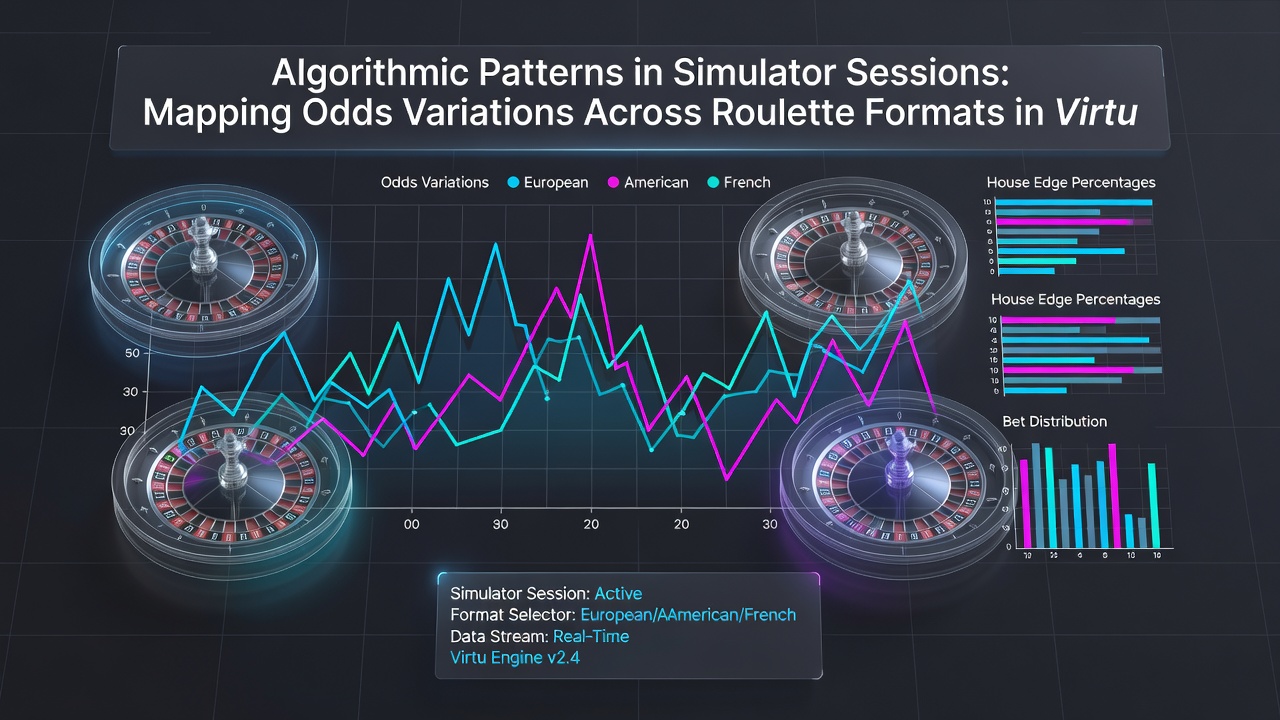
Platform operators in August 2026 continue to refine these mapping techniques to ensure compliance documentation meets evolving international standards and the process involves cross-referencing live simulator output against theoretical probability tables for each format. Observers note that such comparisons help isolate whether observed deviations stem from format mechanics or from underlying algorithmic characteristics.
Practical Implications for Simulator Testing Protocols
Testing laboratories apply structured session frameworks that isolate algorithmic behavior by running parallel simulations across all three major roulette formats using synchronized seed values. This approach allows direct comparison of outcome distributions and highlights how the additional zero in American roulette amplifies certain number groupings while European and French formats maintain more balanced spread patterns. Figures released by research institutions show that session lengths exceeding 100,000 spins reduce the visibility of transient patterns yet shorter diagnostic runs remain valuable for identifying seed-related anomalies before full deployment. Those who conduct these tests emphasize the importance of documenting format-specific baselines so that any subsequent deviation can be attributed to the correct source.
Conclusion
Simulator sessions provide a controlled environment for mapping how algorithmic processes interact with the distinct odds structures of American, European, and French roulette and the resulting data sets offer clear evidence of format-driven variations in outcome behavior. Regulatory oversight from multiple jurisdictions ensures these systems maintain statistical integrity while ongoing analysis refines the tools used to detect and document any emergent patterns. The continued development of mapping methodologies supports transparent operation of virtual casino platforms and supplies verifiable information about how different roulette formats perform under identical algorithmic conditions.