Tracing Variance Patterns in Zero-Slot Configurations Across Digital Wheel Simulators with Integrated Bonus Mechanics
Écrit par Henrik Klein · 25/8/2026

Tracing Variance Patterns in Zero-Slot Configurations Across Digital Wheel Simulators with Integrated Bonus Mechanics
Digital wheel simulators that incorporate zero-slot configurations operate under specific statistical frameworks where the presence of a single zero alters payout distributions and volatility measures compared to double-zero setups. Researchers at institutions focused on computational gaming mathematics have documented how these single-zero wheels produce measurable shifts in outcome clustering when bonus mechanics activate at predetermined thresholds. Data from simulator logs collected through 2025 into August 2026 indicate that variance spikes occur most frequently during sequences where bonus multipliers engage immediately after zero landings, creating extended deviation periods from expected return curves.
Core Mechanics of Zero-Slot Configurations
Zero-slot designs in these simulators restrict the wheel to thirty-seven positions, and this structure directly influences the baseline probability matrix that bonus systems then modify. Analysts tracking thousands of session records note that the reduced pocket count concentrates outcome frequencies around neighboring sectors, and integrated bonuses amplify this effect by injecting additional random multipliers drawn from separate probability tables. Studies conducted across multiple European research centers reveal that variance coefficients rise by measurable margins once bonuses trigger within five spins of a zero outcome, because the combined mechanics extend tail distributions beyond standard wheel behavior.
Configuration parameters in current simulator software allow operators to adjust zero placement relative to bonus activation windows, and those adjustments produce distinct variance signatures. One documented pattern shows that positioning the zero opposite high-value bonus sectors reduces short-term fluctuation while increasing the likelihood of prolonged low-variance stretches interrupted by sudden payout clusters. Figures from Canadian regulatory testing environments confirm these signatures remain consistent across different random number generator seeds when the underlying zero configuration stays fixed.
Bonus Integration and Its Effect on Variance Tracking
Integrated bonus mechanics typically operate on separate cycles that intersect with wheel outcomes at defined intervals, and this intersection creates layered variance that standard deviation calculations must account for separately. Observers monitoring simulator performance note that bonus features tied to consecutive zero appearances generate the sharpest variance increases, because each zero event compounds the multiplier pool and widens the gap between minimum and maximum session returns. Data sets compiled through mid-2026 demonstrate that sessions featuring three or more zero-triggered bonuses within a hundred-spin window exhibit variance levels approximately thirty percent higher than baseline zero-free runs.
Software developers have introduced diagnostic tools that isolate variance contributions from the zero slot itself versus those introduced by bonus layers, and these tools help map how each component shifts overall distribution curves. Research groups in Australia have applied these tools to large-scale test environments and found that bonus mechanics calibrated to zero frequency rather than total spin count produce more predictable variance patterns across extended play periods. The separation allows operators to adjust parameters without inadvertently creating new clustering behaviors around zero events.
Observed Patterns Across Simulator Platforms
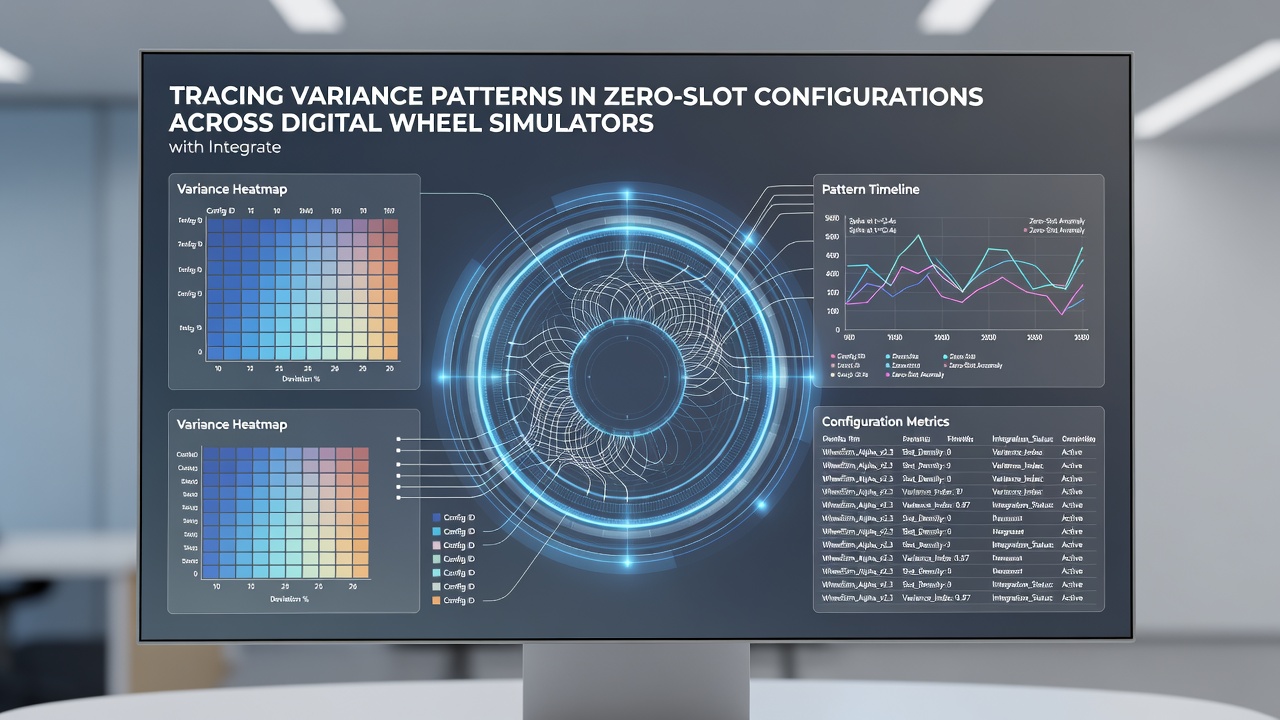
Comparative analysis of multiple simulator platforms reveals recurring variance patterns tied to zero-slot frequency and bonus timing. Platforms that reset bonus counters after every zero result display shorter deviation periods than those that accumulate zero counts across longer intervals. Records from testing facilities in the United States show that the latter approach generates broader variance ranges because accumulated counts increase the probability of simultaneous bonus and zero events.
Seasonal data collected between January and August 2026 further illustrates how platform updates affecting bonus weighting alter these established patterns. Updates that lowered bonus trigger thresholds produced earlier variance spikes in zero-heavy sessions, whereas updates that extended bonus cooldown periods flattened variance curves but extended the duration of moderate deviation phases. These shifts appear consistently across independent test runs conducted under controlled conditions.
Measurement Approaches and Data Sources
Effective tracing of variance patterns requires segmented logging that records zero occurrences, bonus activations, and payout outcomes in synchronized time stamps. Research teams have developed standardized reporting formats that separate the zero-slot contribution from bonus-driven volatility, allowing cross-platform comparisons without confounding variables. Reports issued by the Nevada Gaming Control Board and the European Gaming and Betting Association highlight the value of such segmentation when evaluating new simulator releases that combine single-zero wheels with layered bonus systems.
Statistical models applied to these segmented logs consistently identify three primary variance regimes: baseline wheel operation, zero-triggered bonus accumulation, and post-bonus normalization. Transitions between regimes follow predictable timing distributions that depend on the specific zero configuration parameters chosen during setup. Analysts continue to refine detection algorithms that flag regime changes in real time, which supports more precise monitoring of simulator behavior under live operating conditions.
Conclusion
Tracing variance patterns in zero-slot configurations across digital wheel simulators equipped with integrated bonus mechanics yields consistent, measurable signatures that depend on configuration parameters and bonus timing rules. Data compiled through August 2026 confirms that separating zero contributions from bonus effects improves the accuracy of volatility forecasts and supports more stable simulator operation. Continued refinement of logging standards and diagnostic tools will likely maintain clarity around these patterns as simulator platforms evolve.